A Practical Guide to Translation for Life Sciences Education Platforms

When developing educational platforms for life sciences, the critical role of translation cannot be overlooked. Accurate and culturally sensitive translations are essential not only for effective communication but also for ensuring compliance and patient safety. However, navigating the complexities of life sciences translation can be challenging, especially with specialized terminology and regulatory requirements. As you look to optimize your approach, consider how leveraging technology can streamline the localization process. These decisions will have a significant impact on your platform’s success—so what strategies will you implement to enhance user engagement?
Overview of Translation for Life Sciences Education Platforms
In today’s interconnected world, effectively conveying scientific knowledge across language barriers is crucial for life sciences education platforms.
Robust translation services are essential to ensure your content resonates with diverse audiences. By utilizing specialized life sciences translation services, you can ensure accurate, culturally sensitive translations that comply with regulatory standards.
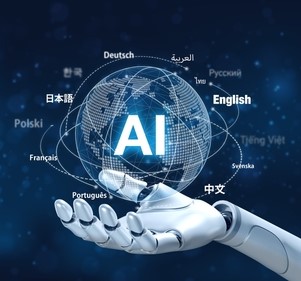
AI-enhanced translation technologies streamline this process, enabling faster and more efficient localization of multilingual content. Leveraging these tools enhances your audience’s learning experience while maintaining the integrity of complex terminology.
This approach not only fosters global engagement but also meets the stringent requirements of the life sciences sector, ensuring more effective and accessible education across multiple languages.
Importance of Accurate Translation
Accurate translation is not just a detail; it’s a necessity for ensuring regulatory compliance and patient safety.
In life sciences, every word counts, and misinterpretations can have serious consequences.
Precise translations are critical to meeting legal standards and protecting the health and safety of patients worldwide.
Regulatory Compliance Necessity
Maintaining regulatory compliance depends on the accuracy of translations in the medical field. Miscommunication is unacceptable in life sciences, as inaccurate translations can result in severe consequences, including legal penalties.
That’s why it’s essential to use specialized translation services. These services ensure that all medical documentation complies with both local and international regulatory standards.
Localization is also crucial; it customizes content to meet the cultural and legal requirements of different markets. With expert linguists who are familiar with the medical landscape, you’ll receive translations that preserve the integrity of your materials.
This not only protects your projects but also strengthens your credibility in the competitive life sciences industry. Prioritizing accuracy ensures your operations remain compliant and effective.
Patient Safety Assurance
In the medical field, every detail matters for patient safety. Accurate translations are essential to ensuring it, especially in a globalized healthcare environment.
By utilizing medical translation services, you’re not just translating words; you’re conveying critical information that can directly impact patient outcomes. Regulatory compliance demands precise language services that align with international standards.
Choosing reliable translation solutions reduces the risk of miscommunication, which could lead to serious repercussions. Whether it’s informed consent forms or clinical research protocols, every document must be carefully translated.
Investing in high-quality translations protects patients and builds their trust in medical systems, ensuring they receive the correct information in their native language.
Read More
Challenges in Life Sciences Translation
Translating life sciences content presents the challenge of capturing linguistic nuances that can significantly impact accuracy.
It’s not just about translating words; it’s about conveying complex scientific concepts in a way that is both clear and accurate. Understanding these subtleties is essential to ensuring your translations meet the rigorous standards of the life sciences industry.
Linguistic Nuances and Accuracy
In life sciences translation, capturing linguistic nuances is key to ensuring both accuracy and clarity.
You’re working with complex scientific content, where even minor misinterpretations can lead to serious regulatory issues. Achieving precise translations is critical, as each term holds significant weight, and understanding local context is essential for proper interpretation.
For example, a single phrase may have different meanings across cultures, potentially affecting patient safety or regulatory compliance. Therefore, it is crucial to collaborate with experts who understand the scientific and linguistic complexities of life sciences translation.
Key Translation Services for Education
In life sciences education, understanding the key types of translation services is crucial for effective communication.
You need services tailored to your specific audience, ensuring clarity and compliance across a range of materials.
Let’s explore the essential translation services that can elevate your education initiatives.
Essential Translation Types
Understanding the essential types of translation is critical for effectively conveying complex scientific concepts in life sciences education.
Accurate translation services are necessary to address the needs of diverse multilingual audiences. Research documents, such as clinical trial protocols and informed consent forms, require meticulous translations to ensure compliance and a clear understanding.
Educational materials, including textbooks and online modules, must be adapted into different languages while preserving clarity and contextual relevance.
Don’t underestimate the importance of localizing patient-facing materials, as they are essential for ensuring safety and comprehension.
Regulatory Considerations in Translation
When translating life sciences content, compliance with regulatory standards is crucial.
It’s essential to ensure that every document meets the specific requirements set by governing bodies, as any inaccuracies could lead to serious consequences.
Compliance With Regulatory Standards
Compliance with regulatory standards is vital in medical translation, as it ensures that all documentation aligns with necessary legal and safety requirements.
It’s important to verify that your translations accurately reflect the original content, particularly in clinical trials and patient safety.
Regulatory bodies, such as the FDA and EMA, enforce strict guidelines for medical documentation, so your translations must adhere to these standards.
Failure to comply can result in serious consequences, including delayed trials or legal penalties.
By prioritizing accuracy and understanding the relevant regulatory landscape, you can navigate the complexities of medical translation effectively.
Always remember, your commitment to compliance not only protects your organization but also safeguards patient safety and well-being worldwide.
Leveraging Technology for Efficiency
In today’s fast-paced life sciences environment, efficient solutions are essential to keep up with increasing demands.
By leveraging AI-driven translation tools and streamlined localization processes, you can enhance both accuracy and speed, ensuring your projects are completed on time and to the highest standards.
These technologies not only save time but also ensure your translations are compliant and culturally appropriate.
AI-Driven Translation Solutions
Harnessing AI-driven translation solutions can significantly improve the efficiency and accuracy of your medical and clinical documentation.
By integrating these advanced technologies into your workflows, you streamline the translation process, ensuring that your materials meet the stringent standards of the life sciences industry. AI-driven tools not only reduce turnaround times but also maintain the integrity of complex medical terminology.
This allows you to focus on other critical tasks while the technology handles the bulk of the translation work. Additionally, these solutions are adaptable to your specific needs, offering customizable options to meet the unique challenges of life sciences.
Embracing AI-driven translation solutions elevates your documentation, improving communication and compliance in the evolving field of medical sciences.
Streamlined Localization Processes
Streamlined localization processes are crucial for ensuring that your medical and clinical materials effectively engage diverse global audiences.
By leveraging technology, you can enhance the efficiency of medical translation services, ensuring regulatory compliance while maintaining clarity. Using plain language in your translations improves accessibility for all stakeholders, from researchers to patients.
Tailored solutions address the complexities of clinical research documentation, making it easier to navigate varying regulatory requirements across different markets.
Implementing AI-driven tools alongside expert linguists enables faster turnaround times without compromising quality, ultimately improving communication across cultures and boosting the effectiveness of your life sciences educational platforms.
Enhancing User Engagement With Translations
To truly engage your audience, cultural adaptation strategies are crucial in translations.
You must consider local nuances and preferences to ensure your content resonates effectively with diverse audiences.
Cultural Adaptation Strategies
Cultural adaptation in translations is key to engaging users successfully, particularly in the life sciences field.
To improve user experience, tailor your medical translations to reflect cultural nuances and regional preferences. This requires linguistic expertise and a deep understanding of the regulatory compliance standards required in each market.
When translating materials related to clinical research, it’s important to recognize how terminology and context can vary across cultures. Adapting content ensures clarity and promotes trust, fostering a stronger connection with your audience.
Ensuring Quality and Compliance
In medical translation, adherence to regulatory standards is essential.
You must ensure that every document meets the required compliance standards to prevent costly setbacks and ensure smooth operations.
Regulatory Standards Adherence
Regulatory standards in medical translation are crucial for maintaining the integrity and safety of clinical research and pharmaceutical communications.
By choosing specialized medical translation services, you ensure your documents meet all regulatory compliance requirements. This is critical, as precise translations of clinical research materials can directly affect patient safety and treatment outcomes.
It’s important to collaborate with subject matter experts who understand the complexities of medical terminology and regulatory guidelines. These experts will help you translate essential documents, such as informed consent forms and research protocols, ensuring clarity and compliance across various regions.
Frequently Asked Questions:
1) What is translation for life sciences education platforms?
Translation for life sciences education platforms involves adapting educational content—such as eLearning modules, training materials, and scientific resources—into multiple languages, while ensuring accuracy and cultural relevance. This ensures that educational materials are accessible and understandable to global audiences, including students, researchers, and professionals in the life sciences field.
2) Why is accurate translation important for life sciences education?
Accurate translation is crucial in life sciences education because it ensures that complex scientific concepts are communicated clearly across different languages. Misinterpretation can lead to confusion, mislearning, and even safety concerns, especially in medical and regulatory contexts.
3) What types of content do you translate for life sciences education platforms?
Language Scientific provides translation for a wide range of educational materials, including textbooks, eLearning courses, research papers, lab manuals, patient education materials, and regulatory documentation. Each piece is carefully adapted to meet the linguistic, cultural, and educational needs of diverse learners.
4) How does Language Scientific ensure accuracy in life sciences education translation?
Language Scientific ensures accuracy by leveraging human-in-the-loop AI translation, combining advanced algorithms with expert linguists with specialized knowledge in life sciences. This approach ensures that the translations are not only linguistically correct but also contextually and scientifically precise.
5) What industries can benefit from your life sciences education translation services?
Our translation services cater to a wide range of industries, including pharmaceuticals, biotechnology, medical devices, healthcare, and educational institutions. These sectors benefit from our services to ensure their educational materials are accessible to global audiences, maintaining accuracy and compliance with international standards.
6) How do you handle specialized life sciences terminology in translation?
Language Scientific’s team of translators includes subject matter experts with backgrounds in life sciences, including MDs and PhDs. This ensures that complex terminology and concepts are accurately translated, preserving the integrity of the content and its intended meaning.
7) Can you translate content for different learning platforms and formats?
Yes, we can translate content for various learning platforms and formats, including online courses, learning management systems (LMS), mobile apps, and printed materials. Our team ensures that the translation is formatted correctly for each platform while maintaining usability and consistency.
8) What languages do you support for life sciences education translation?
Language Scientific offers translation services in over 215 languages, allowing you to reach global learners and professionals in regions across North America, Europe, Asia, and beyond. We ensure that the translation is culturally sensitive and tailored to the specific audience.
9) How does Language Scientific ensure cultural relevance in translations?
We incorporate cultural adaptation into every translation project by ensuring that educational materials resonate with the target audience’s cultural norms, values, and learning preferences. Our human linguists review each translation to ensure it is contextually appropriate and effective for the specific region.
10) What is the typical turnaround time for life sciences education translation projects?
The turnaround time for life sciences education translation varies based on the scope and complexity of the project. However, our human-in-the-loop AI translation process enables faster delivery without sacrificing quality, ensuring timely project completion even under tight deadlines.
Conclusion
Prioritizing accurate and culturally sensitive translations for life sciences education platforms is crucial for effective communication and regulatory compliance. By recognizing the unique challenges and leveraging advanced technology, Language Scientific can help improve user engagement and ensure the highest quality. Embracing these practices not only enhances the learning experience but also helps maintain patient safety and regulatory compliance. Precise translations are essential for overcoming language barriers and making a meaningful impact within the global life sciences community.